
RECLAIM
A Framework for Return
RECLAIM is HLBI’s healing framework.
It reflects a nonlinear process of returning to coherence across personal, relational, and systemic dimensions. Rather than offering a set of steps to follow, RECLAIM provides an orientation—a way of understanding how healing unfolds when conditions for truth, safety, and integration are restored.
This framework informs HLBI’s work across education, systems analysis, and restorative practice.
A Pathway Grounded in Coherence
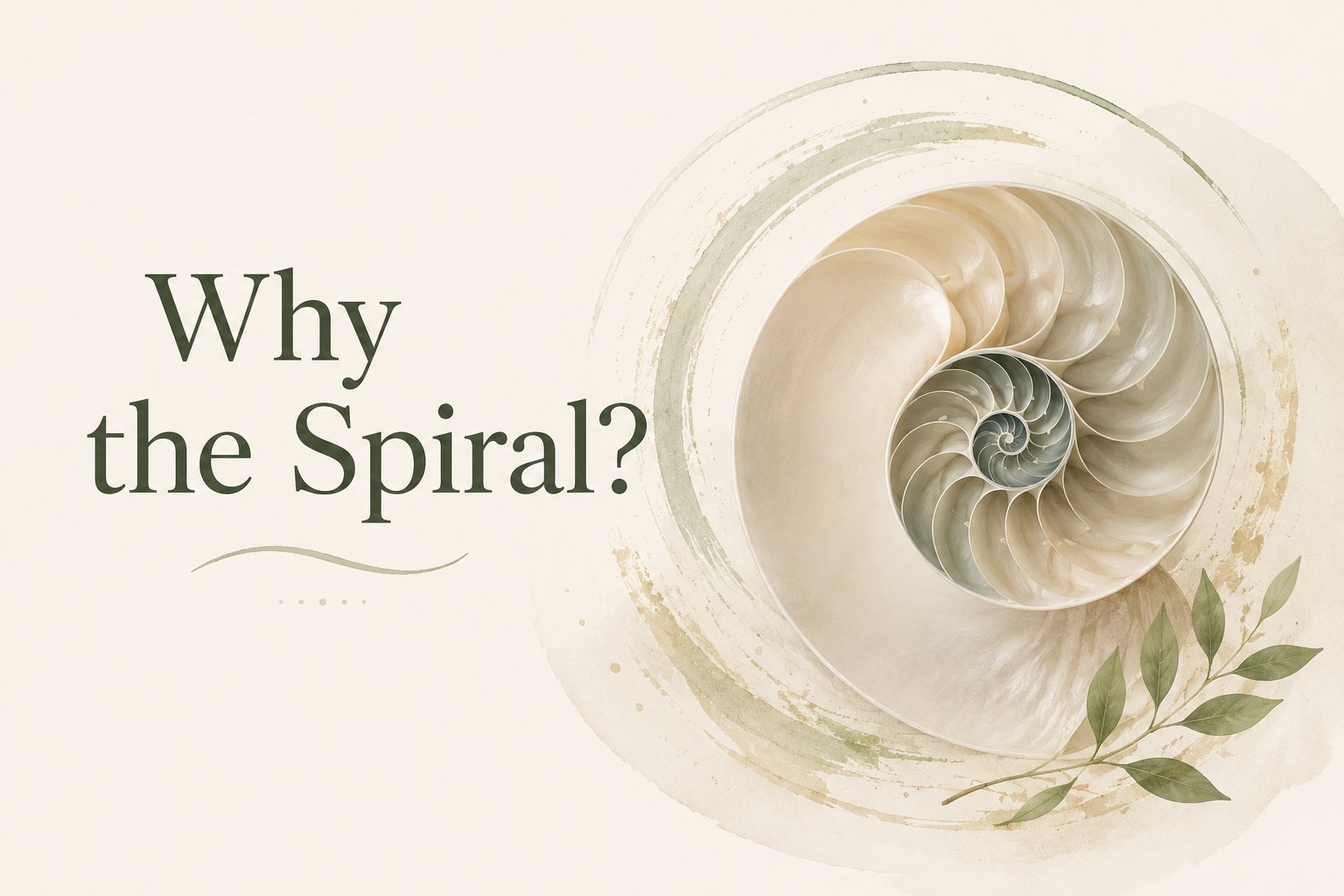
RECLAIM is structured as a seven-phase spiral. The spiral reflects a fundamental truth: healing is not linear. Insight, regulation, agency, and integration deepen over time, often revisiting familiar terrain with greater clarity and capacity.
The framework supports movement from inherited patterns and internalized harm toward alignment, meaning, and embodied choice—at a pace that honors nervous systems, lived experience, and context.
RECLAIM is a map for understanding return, not a method to complete or a destination to reach.
Why RECLAIM Exists
RECLAIM emerged from years of clinical work, systems inquiry, and reflection across spaces where people were often asked to adapt without understanding what had shaped them.
Many healing approaches focus on coping, managing, or improving within existing conditions.
RECLAIM exists to name something deeper:
That suffering is patterned, not personal
That disconnection is often learned, reinforced, or required
That healing involves restoring coherence, not fixing individuals
This framework shifts attention from self-blame toward context, from urgency toward understanding, and from control toward integration.
The Seven Phases of the Spiral
Each phase reflects a common orientation within the healing process. These phases are patterns people often recognize, often repeatedly, as awareness and capacity deepen.
The Stirring
A quiet recognition that something is off, even if you cannot name it, yet.
The Turning Inward
Listening to what has been buried, overridden, or set aside.
The Unveiling
Seeing the personal, cultural, and systemic patterns beneath the pain.
The Reclamation
Taking back agency, voice, and truth.
The Integration
Living in alignment with what is now understood.
The Offering
Giving from wholeness rather than obligation.
The Returning Again
Honoring the spiral nature of healing, growth, and repair.